What is the Pell Grant Program and Why is it Important
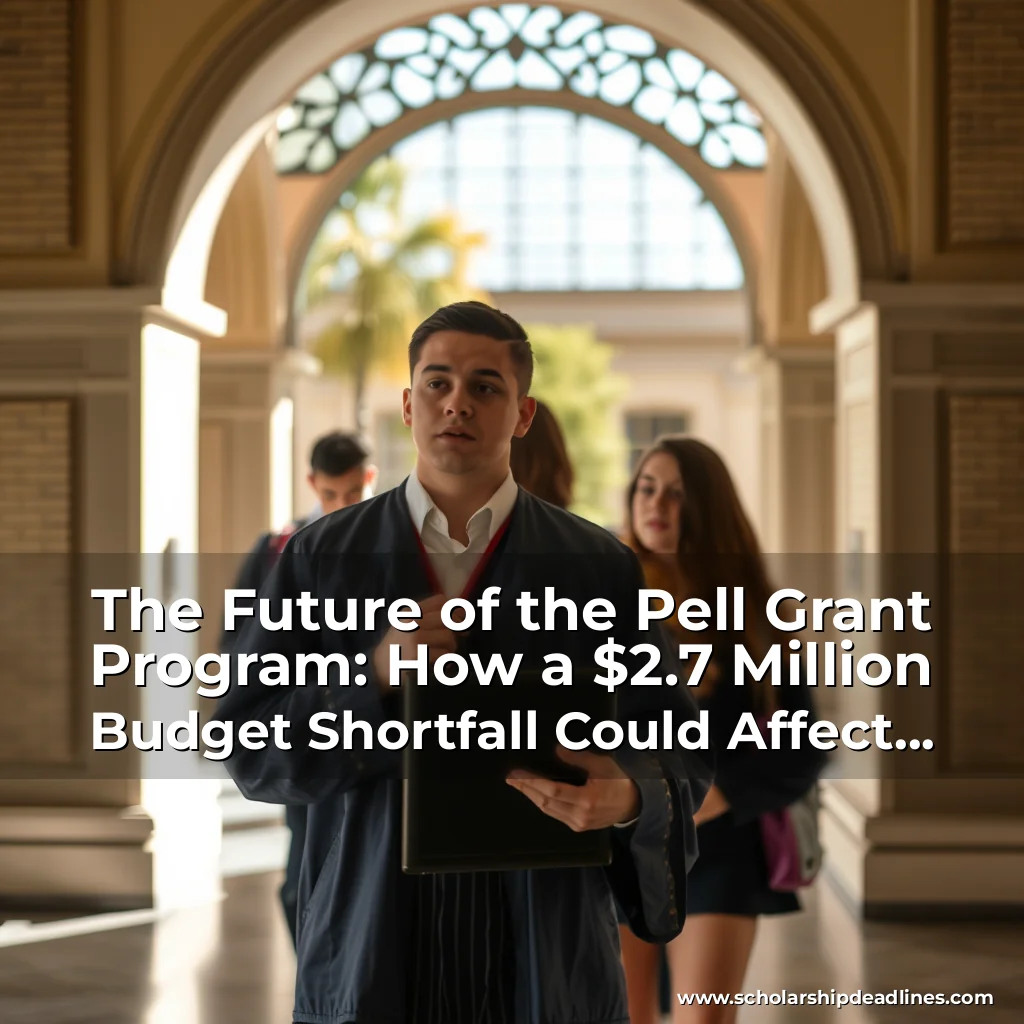
The Pell Grant program, established in 1972, provides undergraduate students from low- and middle-income backgrounds with up to $7,395 per academic year to cover college expenses. Unlike student loans, students don’t need to repay the Pell Grant award, making it a valuable resource for those who can’t afford tuition. • Approximately 7 million students receive Pell Grants annually, with the program serving a significant portion of the country’s student population. • Despite its importance, the Pell Grant program faces a significant funding gap of $2.7 million, which could impact students’ ability to cover college costs.
How the Pell Grant Funding Model Works
The Pell Grant program’s funding model is complex, with a mix of mandatory and discretionary funding. According to Michele Zampini, senior director of college affordability at The Institute for College Access and Success (TICAS):
“The Pell Grant is an entitlement program, which means that all students who are eligible for the Pell Grant receive it. However, unlike Social Security or Medicare, it doesn’t rely solely on automatic mandatory funding. Instead, the Pell Grant is funded by a mix of mandatory and discretionary funding. Congress must appropriate discretionary funding annually, based on enrollment projections for the following year.”
• This funding model can lead to a shortfall if a greater number of Pell-eligible students enroll than expected. • College enrollment in the 2024-25 year grew by nearly five percent, and FAFSA formula changes led to a 12.6% increase in Pell-eligible students, according to an Urban Institute study.
The Need for Mandatory Funding
More than 100 college access organizations are advocating for lawmakers to move the Pell Grant to a fully mandatory spending model. This would ensure the program’s stability and funding for the long term. • Wil Del Pilar, senior vice president of Ed Trust, expresses concerns about the current administration’s plans to overhaul federal student lending and limit Public Service Loan Forgiveness, which could put the Pell Grant at risk.
Other Ways to Pay for College
While the Pell Grant is essential, it’s not the only source of funding for college. Students can explore additional options to maximize their financial aid package:
- Submit the FAFSA: File the Free Application for Federal Student Aid (FAFSA) each year to unlock the Pell Grant and other financial aid opportunities.
- Look for state-based grants: Many states offer financial aid programs that can help fill funding gaps for students.
- Apply for scholarships: Search for scholarships through databases like CareerOneStop, contact local organizations, and reach out to college financial aid offices for ideas.
- Negotiate with your college’s financial aid office: Discuss your eligibility for grants and additional aid with your college’s financial aid officers.
- Choose an affordable school: Consider community colleges and in-state public schools to save thousands of dollars on tuition.
- Borrow only what you need: Prioritize federal student loans over private loans, which offer benefits like income-driven repayment plans and student loan forgiveness options.
Conclusion
A looming $2.7 million budget shortfall in the Pell Grant program could have significant consequences for students. While the program is essential, it’s not the only way to pay for college. By exploring additional options and being proactive, students can maximize their financial aid package and achieve their educational goals.

news is a contributor at ScholarshipDeadlines. We are committed to providing well-researched, accurate, and valuable content to our readers.