The Ultimate Roadmap to Navigating College Financial Aid: Everything You Need to Know Before Applying
In an era where higher education is increasingly viewed as essential for career advancement, understanding how to secure and manage college financial aid has become crucial. From federal grants to private scholarships, the landscape can be overwhelming.
This guide will demystify the process, providing clear steps, key terms, and insider tips to help students and families make informed decisions that align with their educational goals and financial realities.
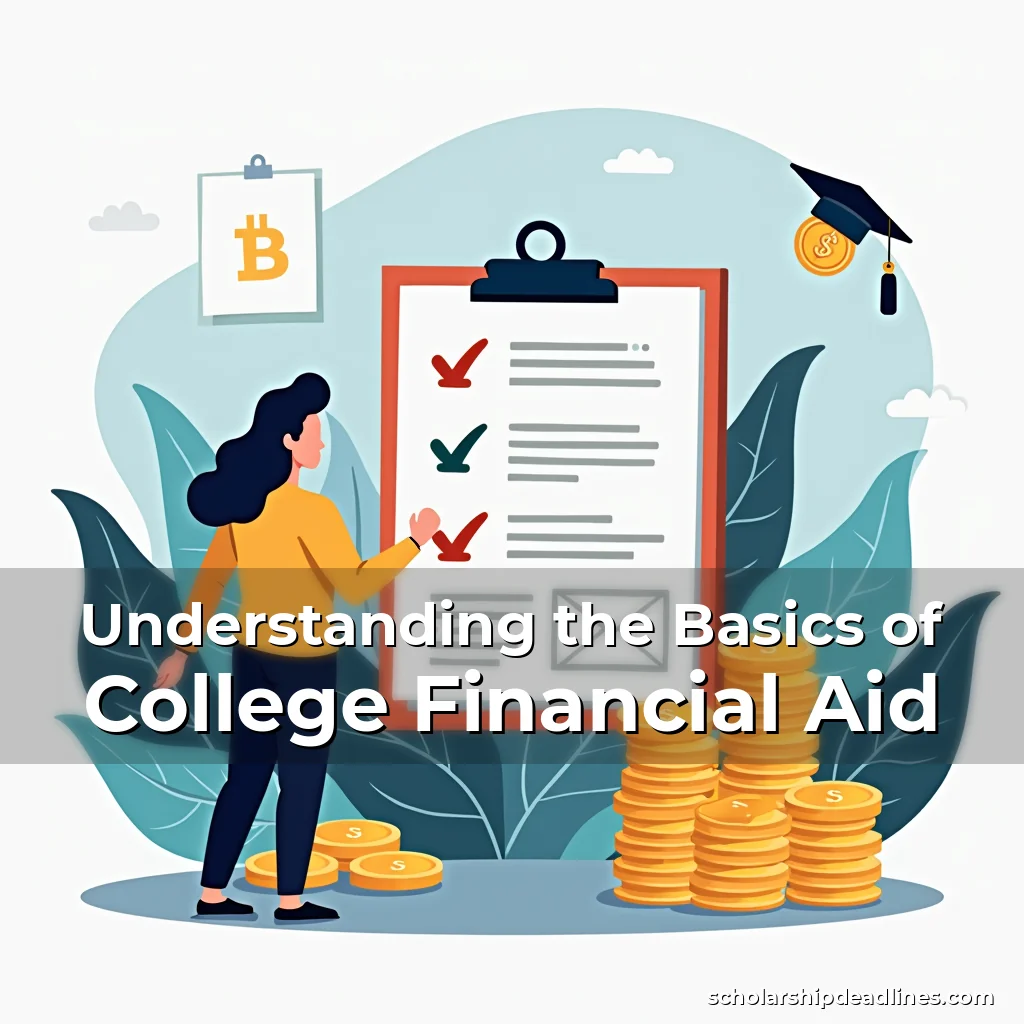
Understanding the Basics of College Financial Aid
College financial aid refers to any funding provided to help students pay for their postsecondary education. This includes both need-based assistance and merit-based awards.
Federal programs often form the foundation of most student aid packages. These are typically administered through institutions but funded by the government.
Private organizations also contribute significantly to the pool of available financial aid. Scholarships from corporations, nonprofits, and even local communities can provide substantial support.
Work-study programs offer part-time employment opportunities specifically designed for students who demonstrate financial need.
It’s important to recognize that financial aid encompasses various forms beyond direct cash payments:
- Scholarships cover tuition without requiring repayment
- Grants function similarly to scholarships but may have different eligibility criteria
- Loans require repayment with interest over time
- Work-study provides income-generating positions during academic terms
Types of Financial Aid Available to Students
Students pursuing higher education face several types of financial aid options tailored to meet diverse needs and circumstances.
Need-based aid is determined primarily by the family’s financial situation, while merit-based aid rewards academic achievement or special talents.
For example: A high school valedictorian might receive a full-tuition scholarship based solely on academic performance rather than economic hardship.
Some states implement policies that prioritize residents attending in-state universities when allocating funds.
Certain schools create specialized funding pools for particular majors or extracurricular activities.
International students may access fewer traditional aid sources compared to domestic applicants.
Evaluating Your Eligibility for Financial Assistance
Determining your eligibility begins with gathering accurate financial information about yourself and your household.
Completing the Free Application for Federal Student Aid (FAFSA) is a mandatory step for anyone seeking federal financial assistance.
Your Expected Family Contribution (EFC) calculation plays a critical role in determining what type and amount of aid you’ll qualify for.
The CSS Profile is another tool used by some colleges to assess non-federal aid eligibility requirements.
Special circumstances such as medical emergencies or recent job loss may warrant additional documentation for review.
Navigating the FAFSA Process Successfully
The FAFSA application serves as the gateway to accessing numerous federal financial aid programs including Pell Grants and subsidized loans.
Applicants must submit the form each year they’re enrolled in school to maintain eligibility status.
Correctly entering personal data minimizes processing delays and prevents disqualification due to errors.
You can complete the FAFSA online at fafsa.gov using either your own Social Security Number or your parent’s number if you’re a dependent student.
Choosing the right tax years ensures accurate reporting of income figures required for EFC calculations.
Maximizing Scholarship Opportunities Through Strategic Planning
A proactive approach towards identifying potential scholarship prospects increases the likelihood of receiving financial assistance.
Researching both local and national scholarships allows students to apply to multiple sources simultaneously.
Maintaining strong grades consistently improves chances across various award categories.
Participating actively in clubs, sports teams, or volunteer work demonstrates commitment outside classroom settings.
Creating a scholarship calendar helps track deadlines and submission requirements effectively.
Considering Private vs Government-Funded Options
While government-funded aid offers structured benefits, private financing solutions present alternative pathways worthy of consideration.
Government programs usually come with strict guidelines regarding usage restrictions and repayment timelines.
Private lenders may offer more flexible loan structures although these often carry higher interest rates.
Some employers sponsor educational reimbursement plans for employees seeking further training.
Evaluating long-term implications before committing to debt obligations remains vital decision-making factor.
Managing Debt Responsibly During Higher Education
Smart financial management practices begin well before graduation day arrives.
Keeping track of total borrowed amounts helps avoid unexpected surprises later on.
Utilizing deferment periods wisely reduces immediate pressure associated with repayment schedules.
Exploring forgiveness programs suitable for certain professions adds another layer of protection against excessive liabilities.
Consolidation options exist for those looking to simplify complex borrowing histories.
Common Mistakes to Avoid When Seeking Financial Aid
Misunderstanding basic terminology can lead to costly mistakes down the road.
Assuming automatic approval after submitting applications creates false expectations about guaranteed outcomes.
Overlooking lesser-known scholarships limits overall availability despite thorough research efforts.
Failing to update contact information results in missed communication about awarded resources.
Rushing through application processes compromises quality submissions which could affect final evaluations negatively.
Building Long-Term Educational Financing Strategies
Developing effective strategies requires considering future earning potential alongside current costs.
Estimating lifetime earnings helps determine whether investing in advanced degrees proves financially viable.
Budgeting exercises assist individuals in forecasting monthly expenses related to schooling.
Consulting with financial advisors enhances clarity around investment choices impacting future stability.
Monitoring inflation trends affects purchasing power calculations relevant to tuition fees over time.
Conclusion
Successfully navigating the complexities surrounding college financial aid demands careful planning, awareness of available resources, and strategic execution of application procedures.
By adopting proactive measures

news is a contributor at ScholarshipDeadlines. We are committed to providing well-researched, accurate, and valuable content to our readers.